
Advances in De Novo Bone Generation in Animals
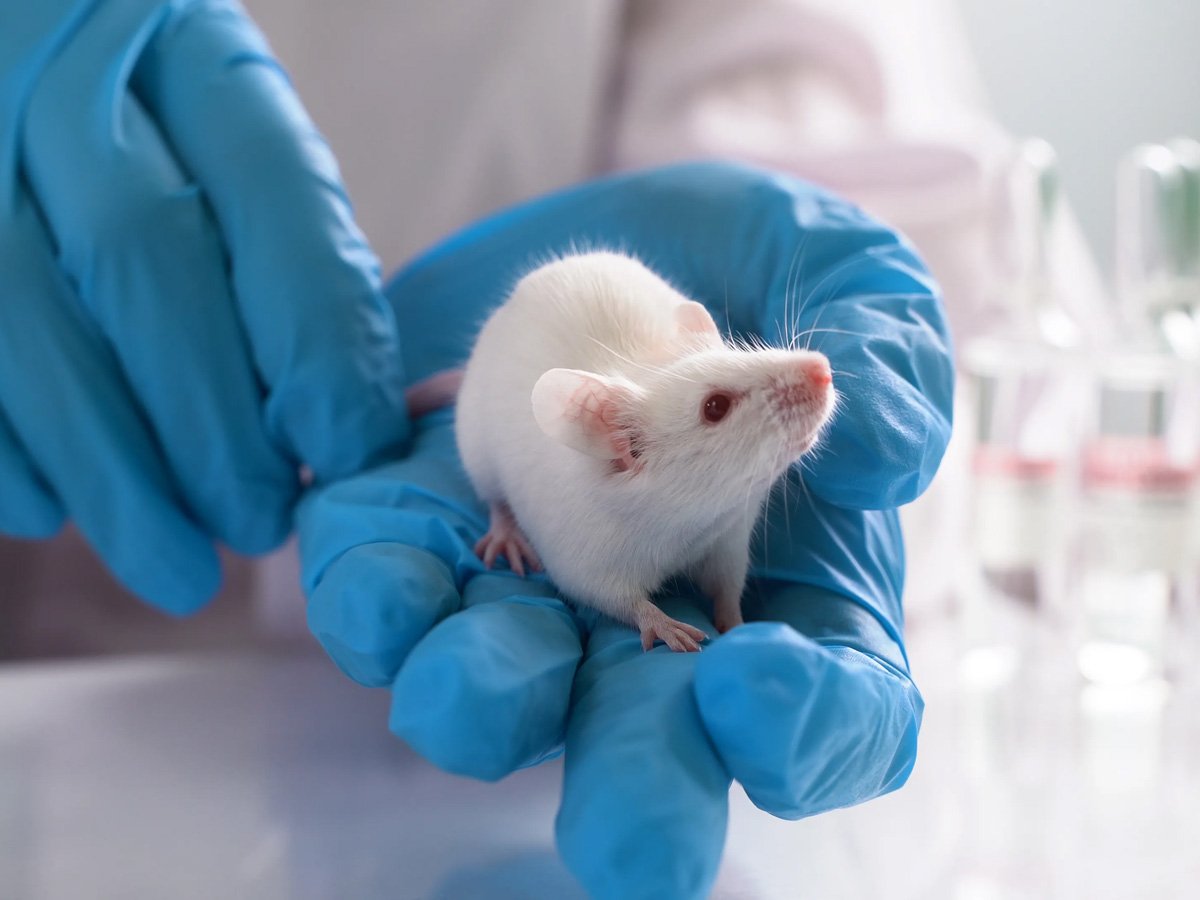
Some of the earliest success in de novo tissue generation was in bone tissue, and advances, facilitated by the use of endogenous and exogenous progenitor cells, continue unabated. The concept of one health promotes shared discoveries among medical disciplines to overcome health challenges that afflict numerous species. Carefully selected animal models are vital to development and translation of targeted therapies that improve the health and well-being of humans and animals alike. While inherent differences among species limit direct translation of scientific knowledge between them, rapid progress in ex vivo and in vivo de novo tissue generation is propelling revolutionary innovation to reality among all musculoskeletal specialties. This review contains a comparison of bone deposition among species and descriptions of animal models of bone restoration designed to replicate a multitude of bone injuries and pathology, including impaired osteogenic capacity.
“Advancements in tissue engineering and biomaterial development are revolutionizing de novo bone regeneration, paving the way for innovative solutions in veterinary and human orthopedics.”
De novo bone generation is a critical area of regenerative medicine, particularly in veterinary and human orthopedics. Recent advancements in tissue engineering and biomaterials have enabled significant progress in developing effective bone graft substitutes. Animal models play a crucial role in evaluating these technologies, offering insights into bone healing mechanisms, biomaterial integration, and the potential for clinical translation. Various models, from rodents to large animals, provide a spectrum of applicability depending on anatomical and physiological similarities to human or veterinary patients.
The process of bone regeneration involves complex biological interactions, including osteogenesis, angiogenesis, and immune response modulation. Scientists have explored different strategies, such as autografts, allografts, xenografts, and synthetic scaffolds, to enhance bone repair. Additionally, innovative approaches like 3D-printed scaffolds, growth factor delivery systems, and stem cell-based therapies are shaping the future of bone regeneration. The choice of animal model significantly influences experimental outcomes, requiring careful selection based on study objectives.
Despite the promising advancements, challenges remain in achieving optimal bone healing, particularly regarding long-term stability, host integration, and immune response mitigation. Further research is essential to refine graft materials and develop more predictive animal models that closely mimic clinical scenarios. With continued innovation and interdisciplinary collaboration, the field is moving toward more effective and reliable solutions for bone regeneration in both veterinary and human medicine.